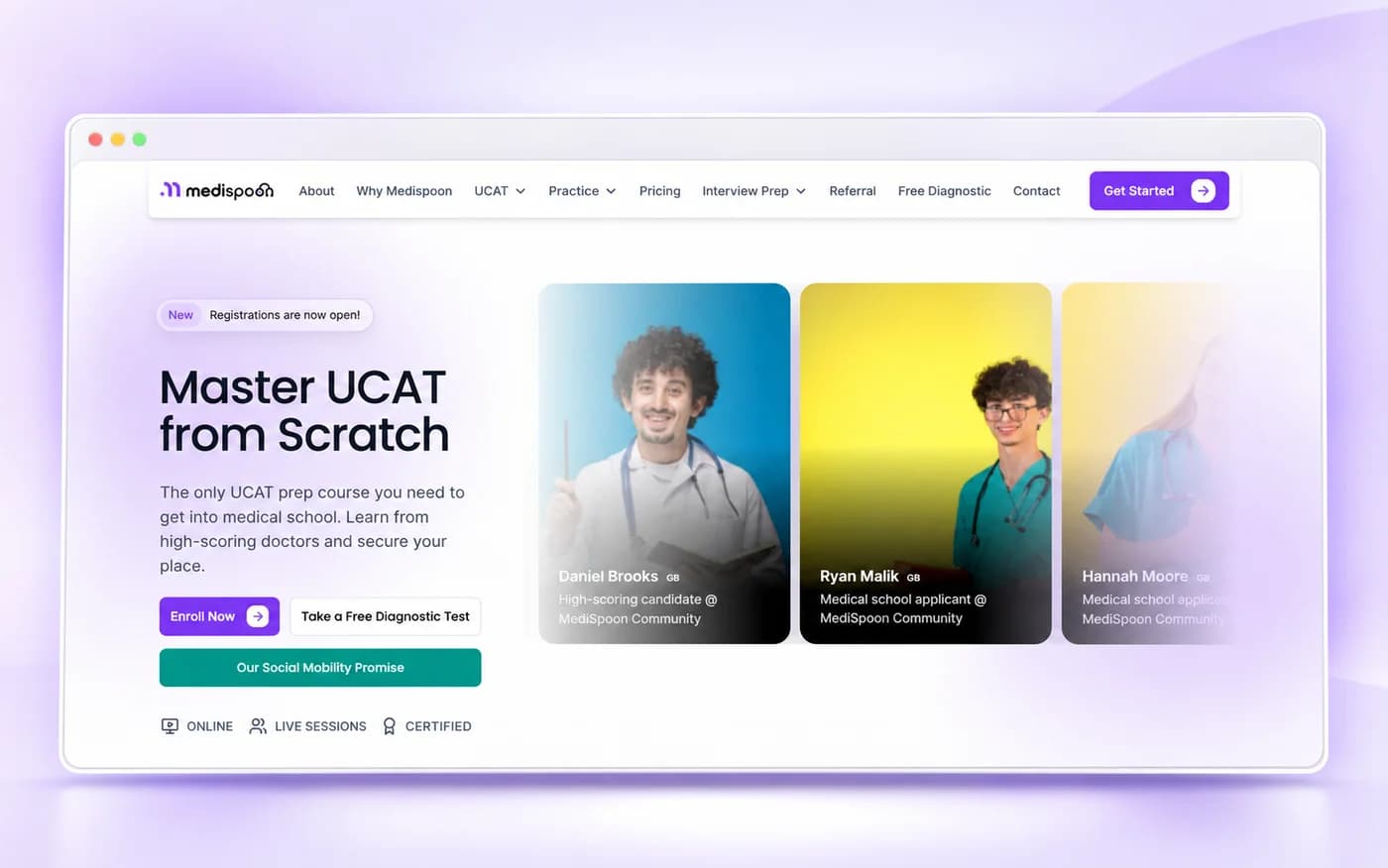
UCAT preparation and medical school interview coaching for UK applicants.
50k+ practice questions banked
Business websites, web applications and custom software for clients in Bangladesh and worldwide. Tell us what it needs to do; we agree the scope and price before work starts.
Fixed scope and pricing before we start.
Trusted by 17 teams and businesses
















Tell us what you want to happen: more bookings, fewer phone calls, orders that take themselves. We work out what to build, design it, and build it.
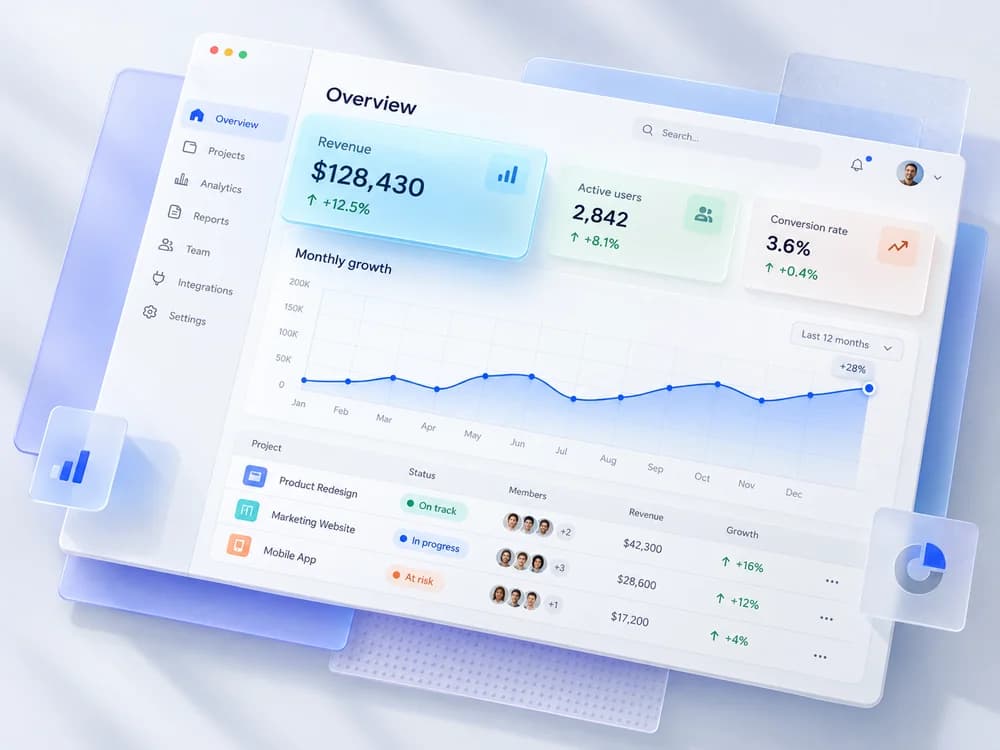
SaaS products, admin dashboards, e commerce platforms and marketing sites, built with React, Next.js and TypeScript. Fast, accessible, and ready for real traffic on day one.
Learn more
Native apps in Swift, Kotlin and Java, or cross platform with Flutter, React Native and Expo. We handle everything from the first screen to the store listing, including the updates after launch.
Learn more
Software shaped around how your team actually works: CRMs, admin panels, data pipelines, workflow automation, and integrations with the systems you already run. Built in Python, Go, Node.js, or Rust.
Learn more
AI added to the product you already have: chatbots, smarter search, document analysis, recommendations and retrieval pipelines, built on the OpenAI and Anthropic APIs.
Learn more
Design that earns the click. Responsive landing pages, marketing sites and full UI/UX work, from the first wireframe to the final handoff.
Learn more
Brand identities, logos, social graphics, pitch decks and marketing material. One visual system that holds together everywhere your brand shows up.
Learn moreEvery one of these is live and in use today. Read what was built, or open the real thing and see for yourself.
UCAT preparation and medical school interview coaching for UK applicants.
50k+ practice questions banked
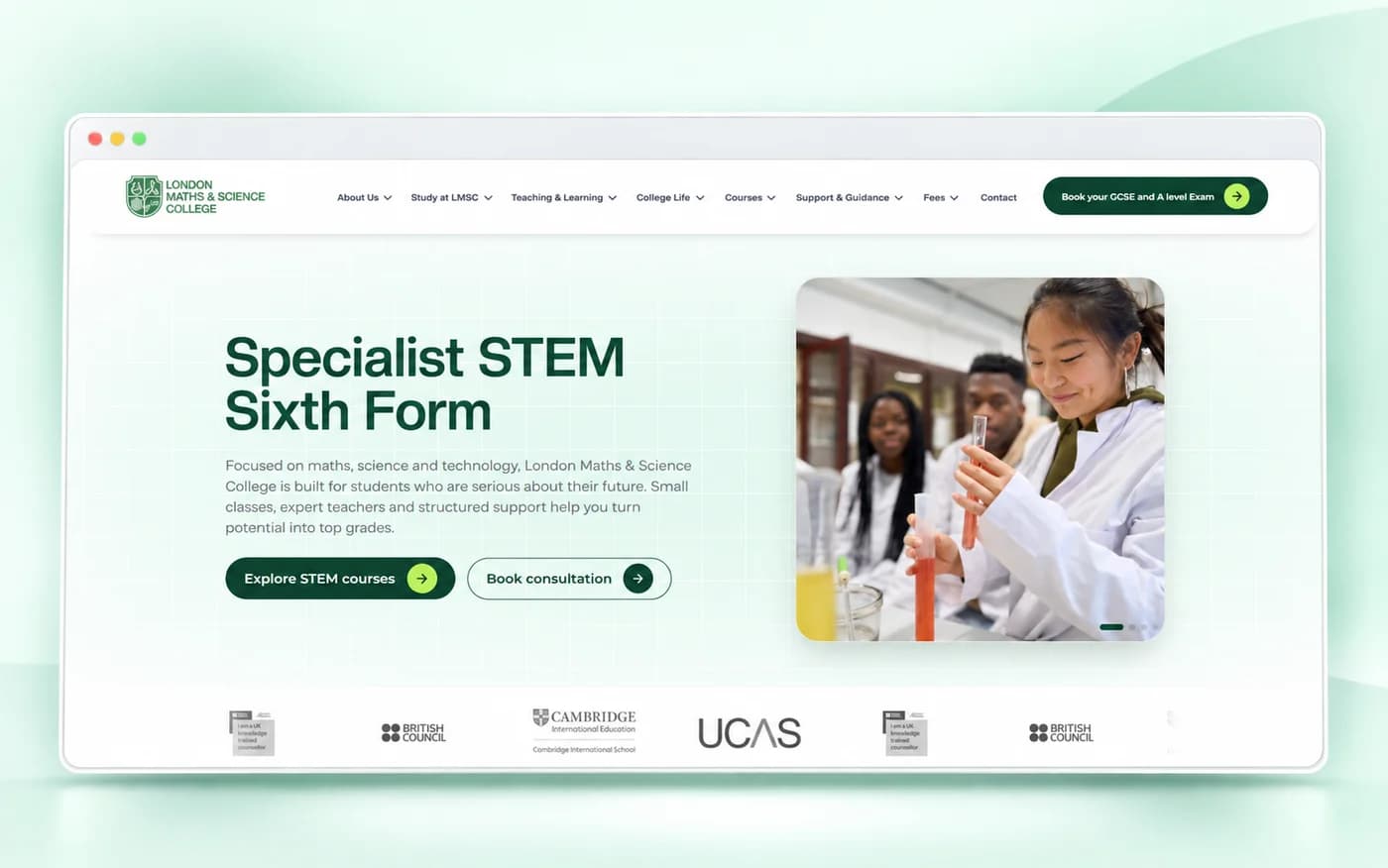
London Maths & Science College, a specialist 16 to 19 STEM sixth form teaching A Levels and BTECs in person, fully online or hybrid.
20+ course pages, one content model
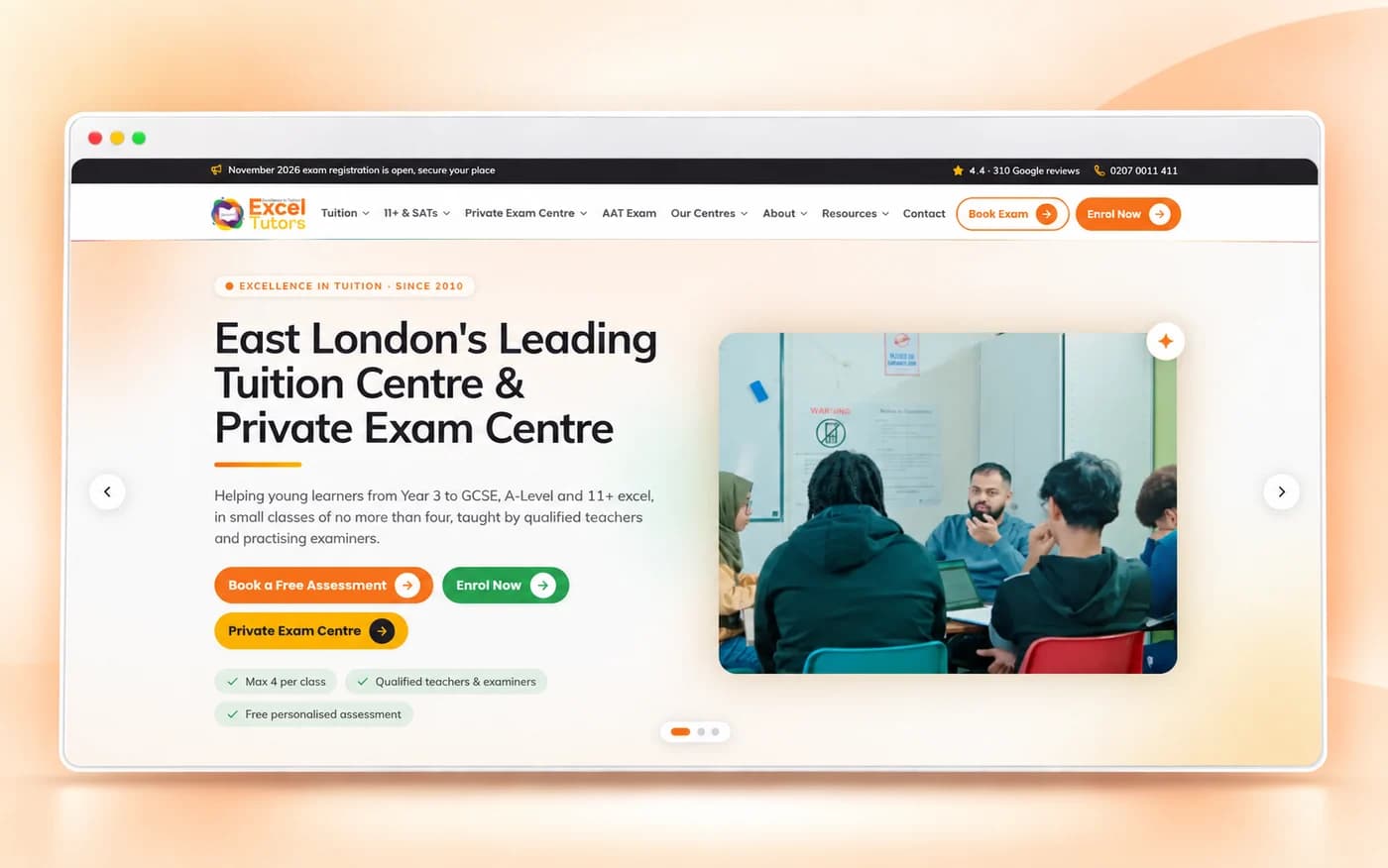
An East London tuition centre and JCQ approved private exam centre, running since 2010.
5 branches on one staff portal
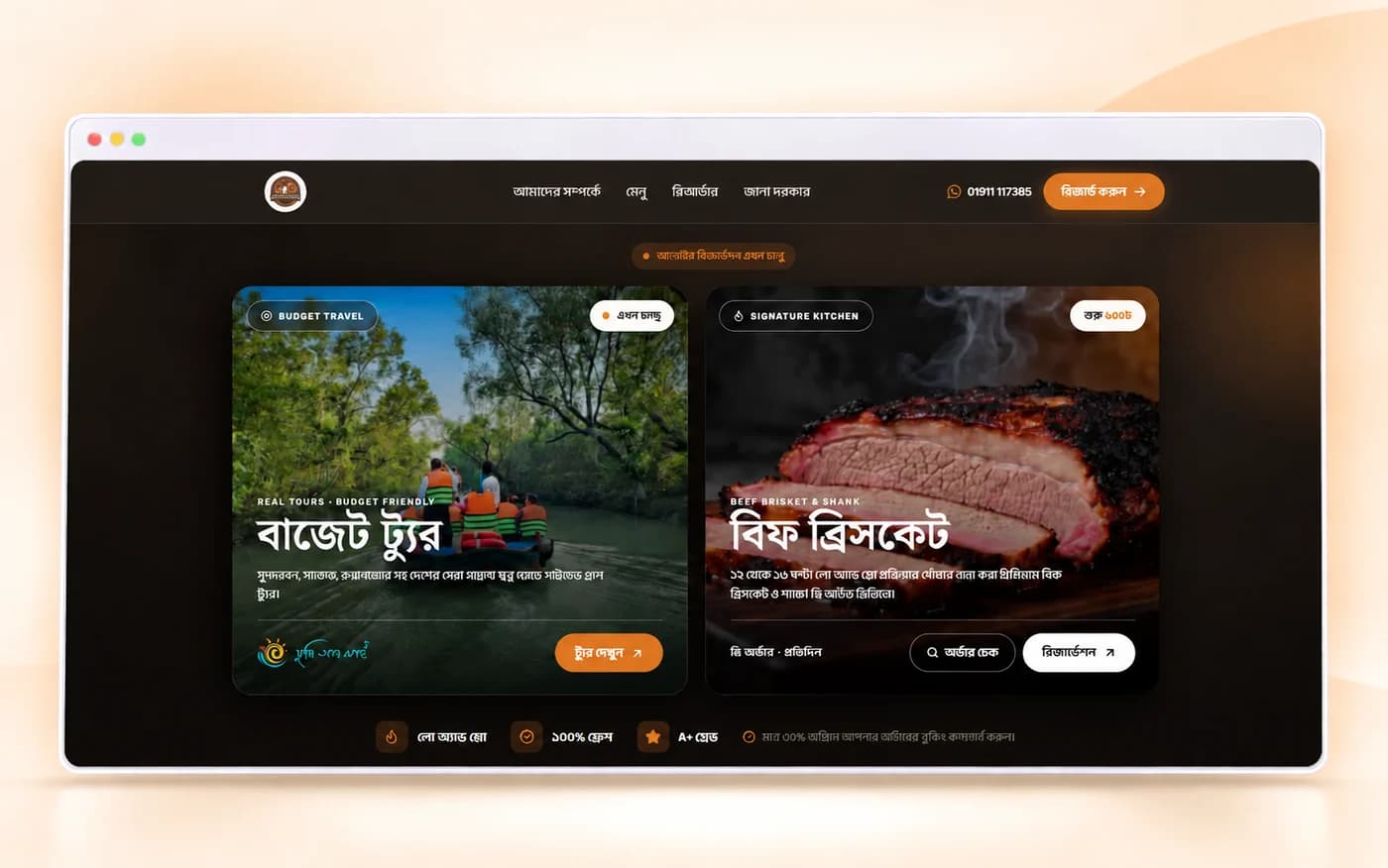
A Dhaka smokehouse selling brisket cooked low and slow, on pre order only.
4 steps from date to confirmed order
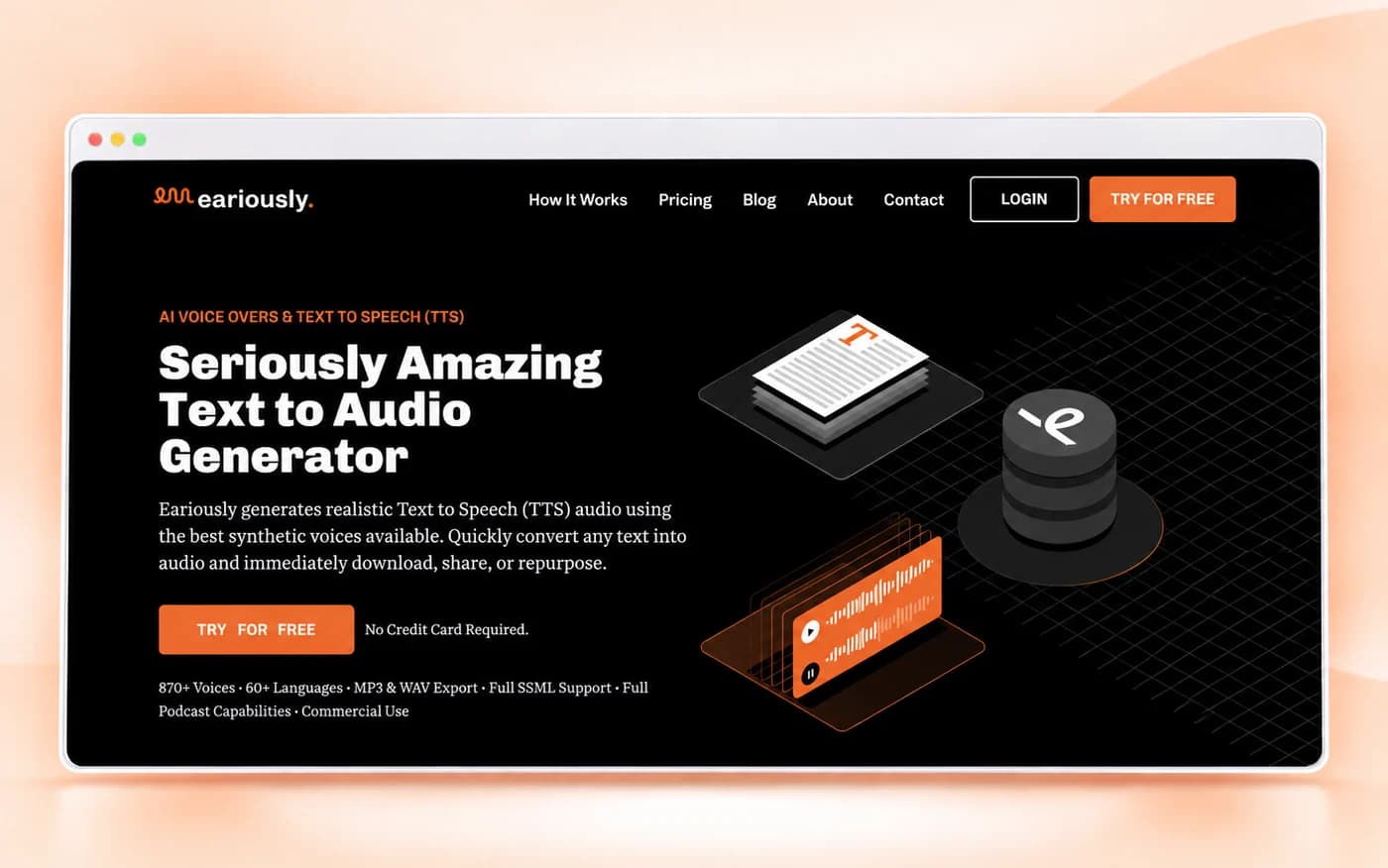
Text to speech platform integrating premium synthetic voice APIs.
870 premium voices in the library
No disappearing for months. You get a working demo every Friday, so you always know where your project stands.
The first week is for listening. Calls with everyone involved, a read through whatever you already have, and an honest conversation about scope.
Understand the problemBefore any production code, we draw the system: database schemas, API contracts, wireframes, brand direction and infrastructure.
Draw the systemsWeekly sprints, and a demo at the end of every one. You see working software and real design files each Friday, not a progress report.
Ship every weekA project isn't finished when it ships. It's finished when your team can run it without us. You get the documentation, the design files and the brand guidelines, and we stay reachable after that.
Keep it runningThe first consultation is free, and the price is fixed before any work starts, so the number you agree to is the number you pay.
Business sites & landing pages
Starting from৳15,000
1 to 3 weeksDashboards, portals & e commerce
Starting from৳60,000
4 to 10 weeksOne build, both app stores
Starting from৳90,000
6 to 12 weeksInternal tools & automation
Priced per projectCustom quote
Scoped per projectStarting prices in Bangladeshi Taka. Your exact quote depends on scope and is fixed in writing before we start.
Practical advice for taking your business online.
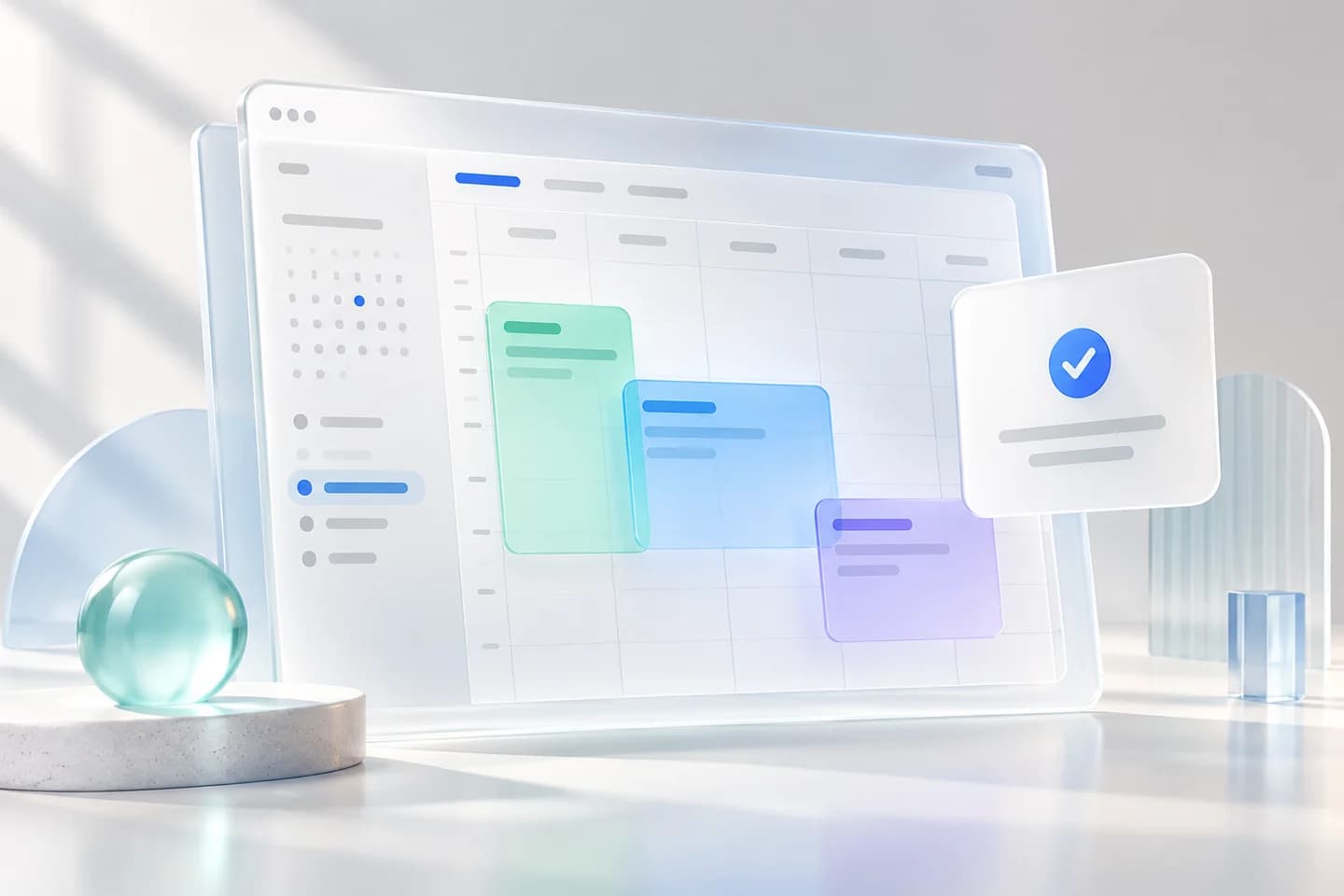
Availability, confirmations, cancellations, and the awkward edge cases. Plan a booking system around the work, not just a calendar.

Help nearby customers find the right information, trust your business, and take the next step, with a checklist you can actually work through.
Your customers use phones. That does not automatically mean your business needs an app. Choose the first product around how people will use it.
Something else on your mind? Ask on WhatsApp and a person will answer.
Ask your questionIt depends on scope. A business website starts from ৳15,000, and the starting price for each kind of project is in the pricing section above. A five page site and a booking platform are both "a website", so the exact figure depends on what you need. Message us with what you have in mind and you'll get a real figure in Taka for your scope, usually the same day. The first consultation is free, and the price is fixed in writing before any work starts.
A website is one to three weeks. Web apps are four to ten weeks. Mobile apps are six to twelve weeks for both platforms together. You'll see working screens long before the end, because we demo every week rather than once at the finish. Anything longer than four months gets broken into phases with explicit go/no go checkpoints.
You do, from day one. Your GitHub org, your cloud account, your domains, your Figma files. We commit into your repositories and share design files as we go, never as one big drop at the end.
Daily async standups in Slack, one synchronous meeting per week (usually the Friday demo), and a written status note every Friday. You'll know exactly what we're doing, what we're stuck on, and what's coming next, all the time.
Every project includes 60 days of free fixes after launch, at no charge. A fix is anything that does not work the way the written scope says it should; new features are quoted separately. After that, support continues as a small monthly retainer if you want it, or we hand off everything cleanly and you carry on. The choice is always yours.
We're a remote team. We work in your hours wherever the calendar allows, and most of the work happens in writing, so progress doesn't stall while half the team is asleep.